THIS WEBSITE IS FOR BUSINESS & INDUSTRY PARTNERS. FOR CONSUMER PRODUCTS VISIT : BLIS Probiotics >
Good dental hygiene is just one part of the equation for healthy teeth and gums in companion animals. For optimal protection, probiotics can balance and restore the oral microbiome.
With a more alkaline oral pH (8.5–8.65 compared to 6.5–7.5 in humans) and no daily brushing, dogs develop a distinct oral microbiome that pathogenic bacteria are quick to exploit. Plaque accumulates rapidly and hardens into tartar — creating conditions that affect not just breath quality, but systemic health.
of dogs show signs periodontal disease at the age of 3
of oral malodor originates from the bacteria in the mouth
Incidence of gingivitis in companion dogs
Just as in humans, the canine oral cavity hosts a complex ecosystem of bacteria. That fuzzy feeling on teeth? That’s plaque – a sticky layer of bacterial biofilm. In dogs, factors such as diet, lack of mechanical cleaning, and the oral cavity’s alkaline environment accelerate plaque formation and pathogenic bacterial growth.
Over time, these bacteria produce acids and volatile sulfur compounds (VSCs) that break down tooth enamel, cause malodor, and advance to periodontitis (gum disease). The inflammation caused by periodontitis creates a more anaerobic environment, which further favours the growth of pathogenic bacteria, shifting the oral microbiome from symbiosis to dysbiosis.
Tooth brushing and dental chews rely on physical abrasion to remove plaque. While beneficial, compliance is challenging with brushing, and chews alone cannot address the bacterial populations responsible for disease.
These solutions are temporary and do not prevent recolonization by pathogenic species.
Water additives and enzymatic products use chemical agents to reduce bacteria or break down biofilm.
However, these often provide only masking effects, have limited clinical validation, and may disrupt both beneficial and pathogenic bacteria indiscriminately.
Probiotics in dental healthcare has recently come into the spotlight through research showing the benefits of balancing and strengthening the oral microbiota. This growing area of research builds on the idea that oral health management is more effective through the use of beneficial bacteria to stabilize the natural microbiome, as part of preventative care.
By outnumbering pathogenic bacteria with beneficial bacteria, teeth and gums stay healthy and protected. This approach, known as bacterial interference or competitive exclusion, allows one microorganism to prevent or delay the growth and colonization of pathogenic members of the same ecosystem.

Beneficial bacteria colonize oral surfaces and compete for nutrients and space, preventing pathogen attachment and establishment.

BLIS strains produce natural antimicrobial proteins called bacteriocins that specifically inhibit pathogenic species without affecting beneficial oral flora.
Instead of killing all bacteria, probiotics help keep the good and bad bacteria in balance. This helps maintain a healthy mouth and naturally prevents harmful bacteria from growing too much.
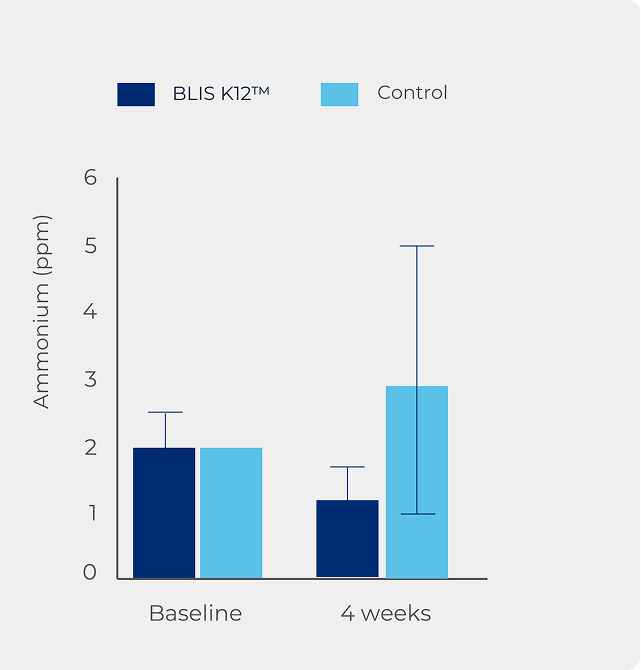
Streptococcus salivarius is notably absent from the natural canine oral microbiome, yet research suggests it can provide significant health benefits when supplemented as a probiotic.
This controlled study evaluated Streptococcus salivarius K12 (BLIS K12™ for its ability to suppress oral malodor in beagles over a four-week period. The research demonstrated that despite being absent from the natural canine microbiome, BLIS K12™ could colonize the canine oral cavity and provide measurable benefits.
A comprehensive assessment of BLIS K12™ and BLIS M18™ for their ability to act as oral probiotics in dogs examined their inhibitory effects against bacteria isolated directly from canine oral cavities. The study used modified deferred antagonism assays to test the strains against nineteen different bacterial species isolated from healthy dogs.
The study confirmed that despite the different oral environment (pH 8.5-8.65 in dogs vs. 6.5-7.5 in humans), BLIS K12™ and BLIS M18™ maintain their inhibitory activity against canine oral pathogens. Only Citrobacter koseri and Klebsiella aerogenes showed resistance to both strains.
BLIS K12™ and BLIS M18™ Have over 25+ of clinical research in humans, with more than 110 peer reviewed publications. This extensive research demonstrates proven efficacy in halitosis reduction, oral health support, and throat health in human populations.
This human research foundation provides strong safety data and mechanism understanding that informs canine applications, while the emerging canine-specific research validates efficacy in this distinct oral environment.
BLIS K12™ and BLIS M18™ Have over 25+ of clinical research in humans, with more than 110 peer reviewed publications. This extensive research demonstrates proven efficacy in halitosis reduction, oral health support, and throat health in human populations.

Functional treats that provide extended oral cavity contact time, allowing probiotic colonization while the dog naturally chews. Can be combined with mechanical cleaning benefits.

Sprinkle formats for mixing with food or treats. Offers flexibility for dogs who may resist chews or tablets, with easy dose adjustment by size.

Can be applied to gums or teeth, particularly useful after dental cleanings or for dogs with existing oral health concerns.
Interested in incorporating BLIS K12™ and BLIS M18™ into your companion animal product line?
We provide technical support, clinical documentation, and formulation guidance.